 Accesssibility

 Return Home
Sustainability
Sustainability underpins everything we do, from building towns and communities to providing essential water and sewerage services.

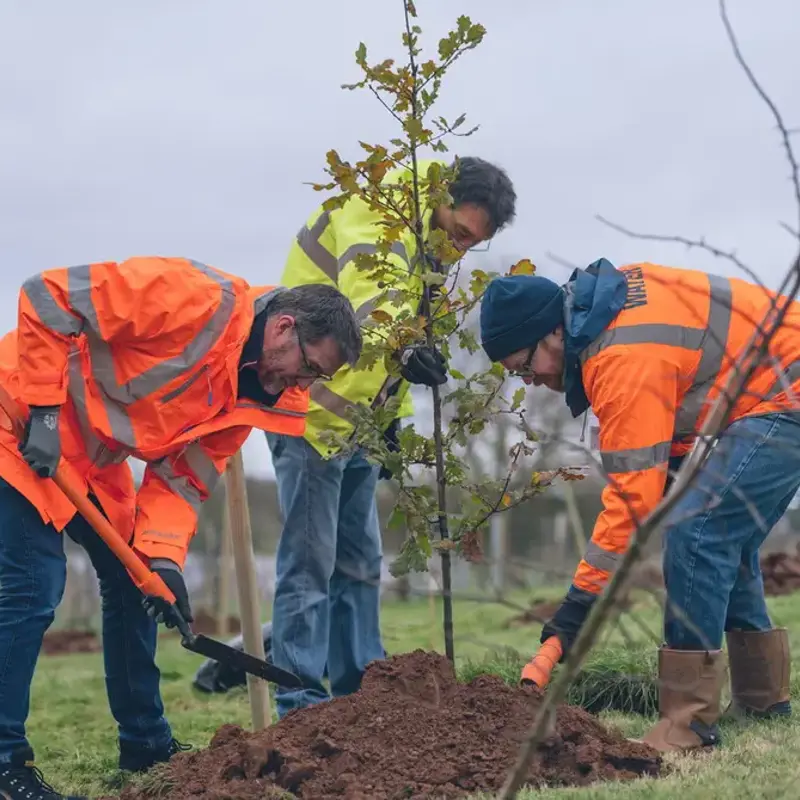
Why is sustainability important to us?
Ecological emergencies are becoming more severe, and climate change poses growing risks for the future if we do not build resilience.
We see it as our responsibility to enhance quality of life through essential services, nature, communities and experiences.
But we cannot do this without considering sustainability every step of the way. This is why we are tackling a range of environmental issues through our work.
Wessex Water’s investment to protect the environment
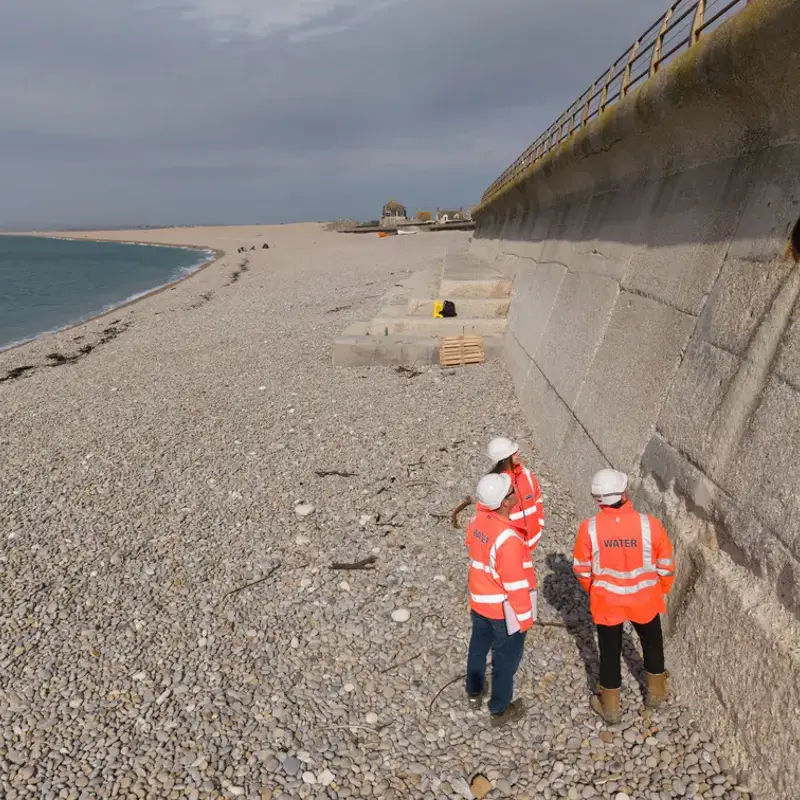
Protecting our rivers and coastal waters
From 2025 to 2030, we plan to invest £1.13bn to improve the water quality of our waterways by removing nutrients, which negatively impact habitats and wildlife.
During this same period, we want to invest £550m to reduce the operation of storm overflows. This work is essential to protecting our rivers and the sea.
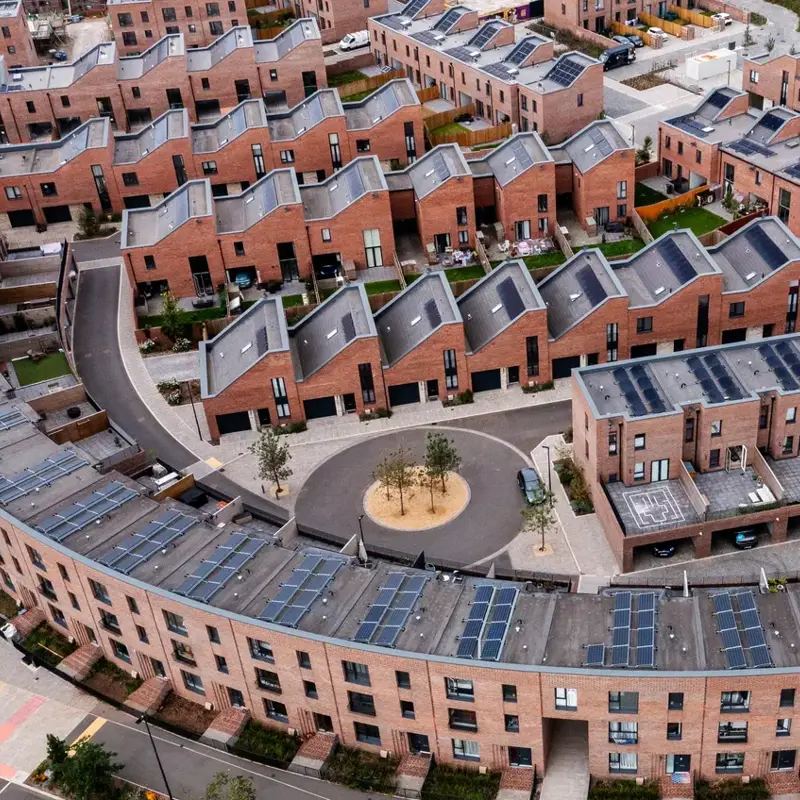
Creating a truly sustainable community
YTL Developments and YTL Construction are creating Brabazon – a new town, which is being built at one of the UK’s largest brownfield developments, located just north of Bristol. Brabazon demonstrates what sustainable communities can look like. Homes, offices and flats are being built with solar panels and air source heat pumps as standard.
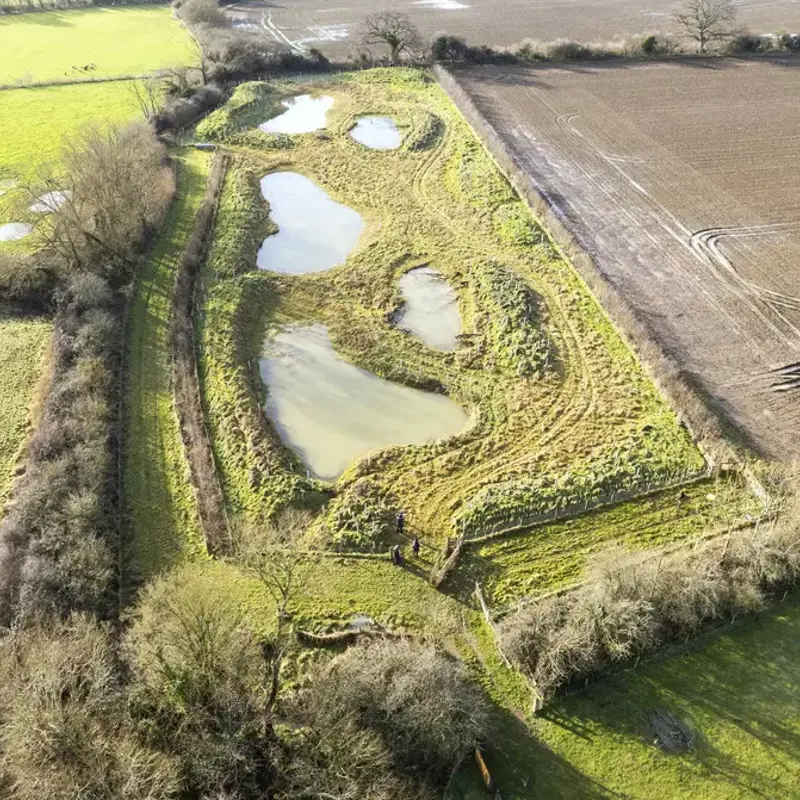
Sustainable travel is hardwired into the development, which includes a new rail station, extensive provisions for cycling and pedestrians, and electric vehicle charging points. Comprising public open space, areas of open water, sustainable urban drainage systems (SuDs) and landscape belts, Brabazon aims to deliver at least a 10% Biodiversity Net Gain.

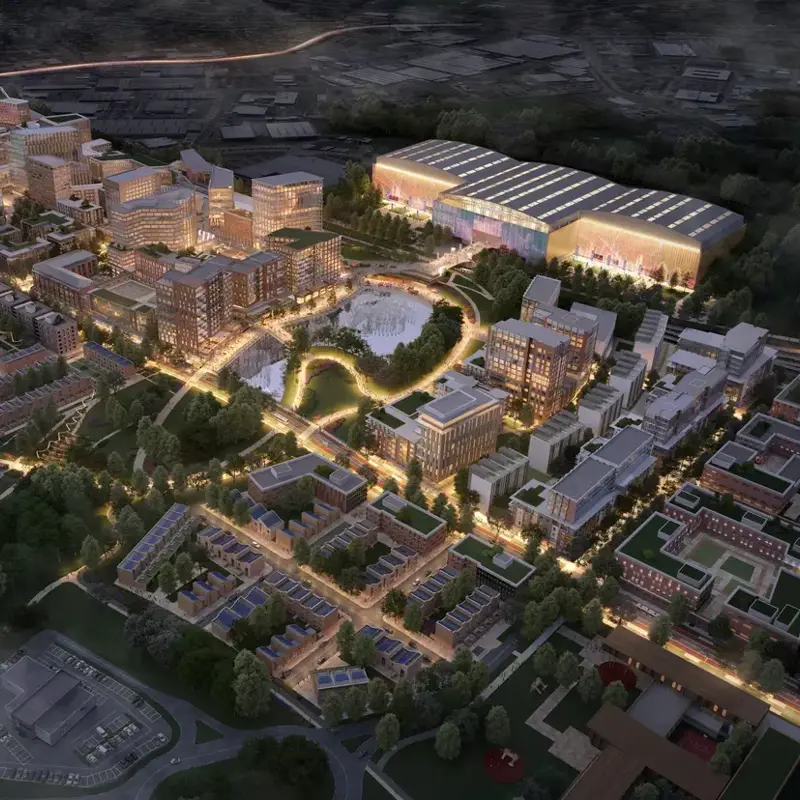
Building Europe’s most sustainable arena
YTL Live aims to be the most responsible and sustainable arena complex in Europe. We will operate with net zero carbon emissions from day one, while also being the UK’s first entertainment venue of its type to operate with no fossil fuels.
By repurposing the Brabazon Hangars, it is estimated that the venue will save approximately 18,600 tonnes of CO2 from being emitted, compared to building a completely new structure. Rainwater harvesting will help reduce mains water consumption by more than 70%, and 100% of the water collected will be used to flush toilets in the venue.
We will also operate a zero-waste-to-landfill policy during construction and operation, through responsible sourcing and reusing existing frames and materials.
Our other sustainability work